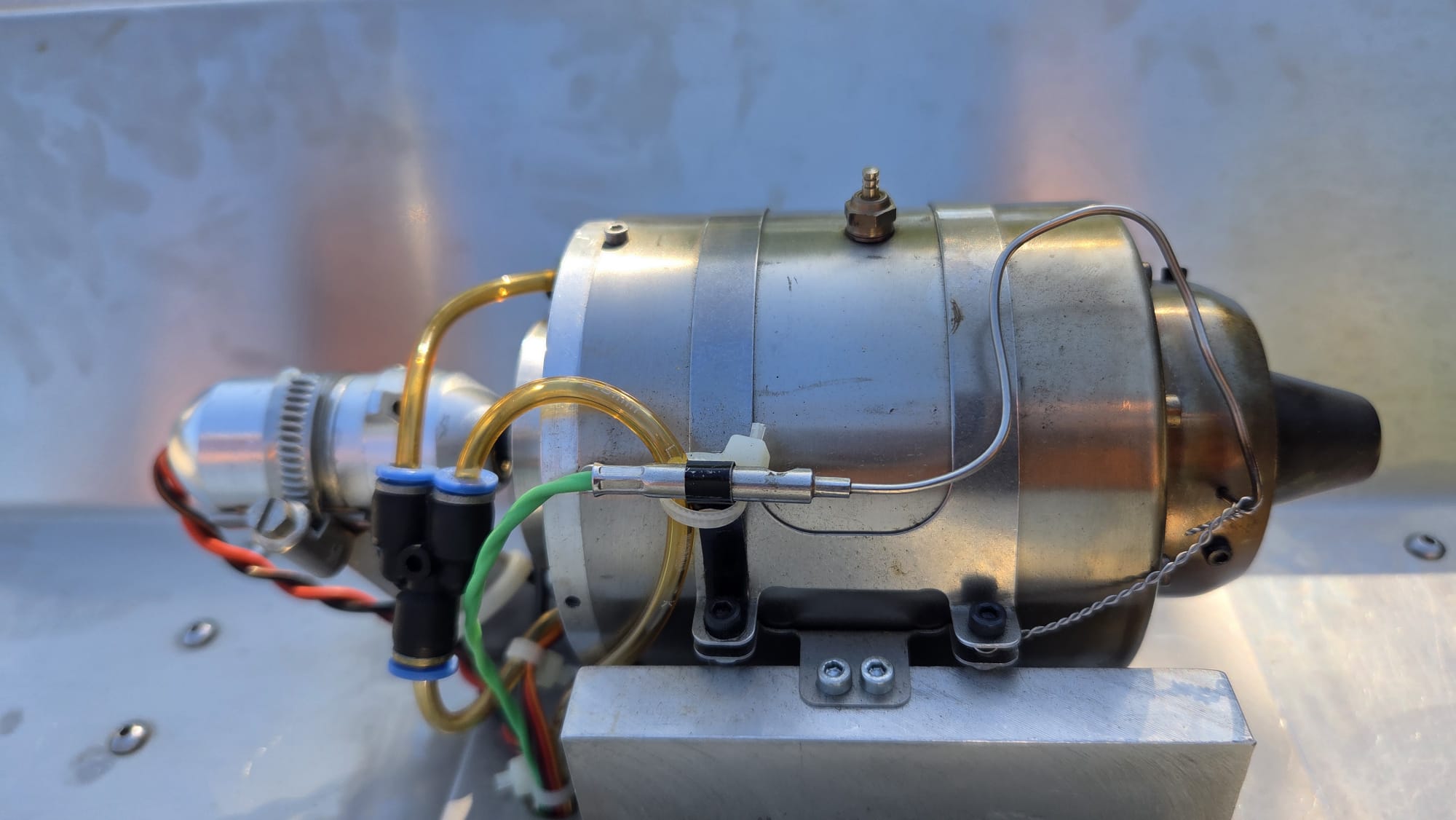
A recent master’s thesis has gained attention for its innovative and practical approach to exploring sustainable solutions in aviation. Conducted at the Department of Aeronautics, Faculty of Transport and Traffic Sciences, this research focused on examining the impact of alternative fuels on small turbojet engine performance.
A graduate student carried out an experiment using a small turbojet engine model JJ1400 to study how different fuels affect engine operation. The engine was powered by conventional Jet A fuel as well as mixtures of Jet A and biodiesel type FAME, which served as a substitute for Sustainable Aviation Fuel (SAF). This experimental setup enabled a detailed analysis of fuel blending and its influence on engine performance parameters.
The study simulated real-world scenarios where alternative fuels could be introduced into aviation practice by blending them with existing Jet A fuel. Measurements included thrust, fuel consumption, exhaust gas temperature (EGT), and rotational speed (RPM) under various fuel ratios.

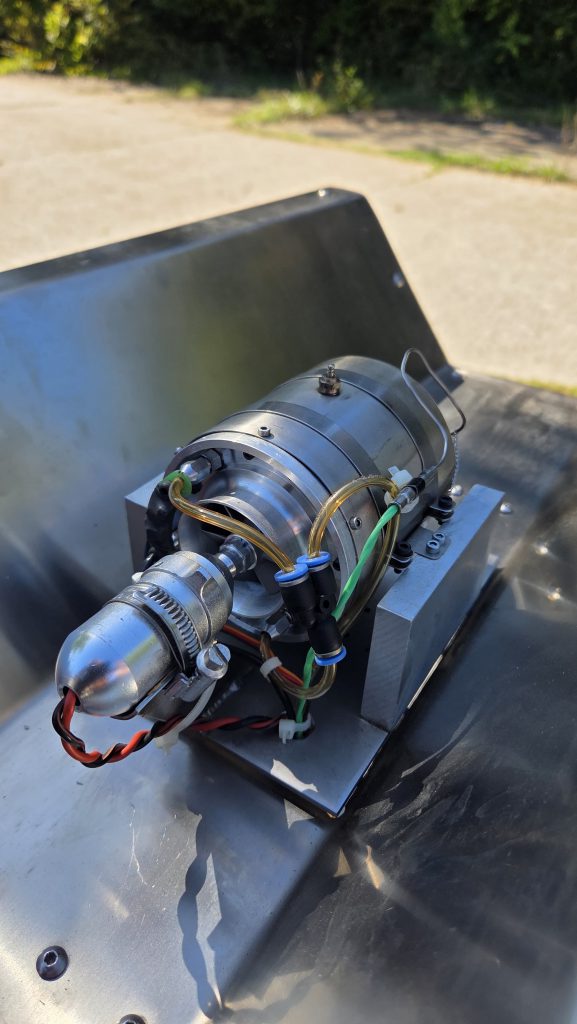
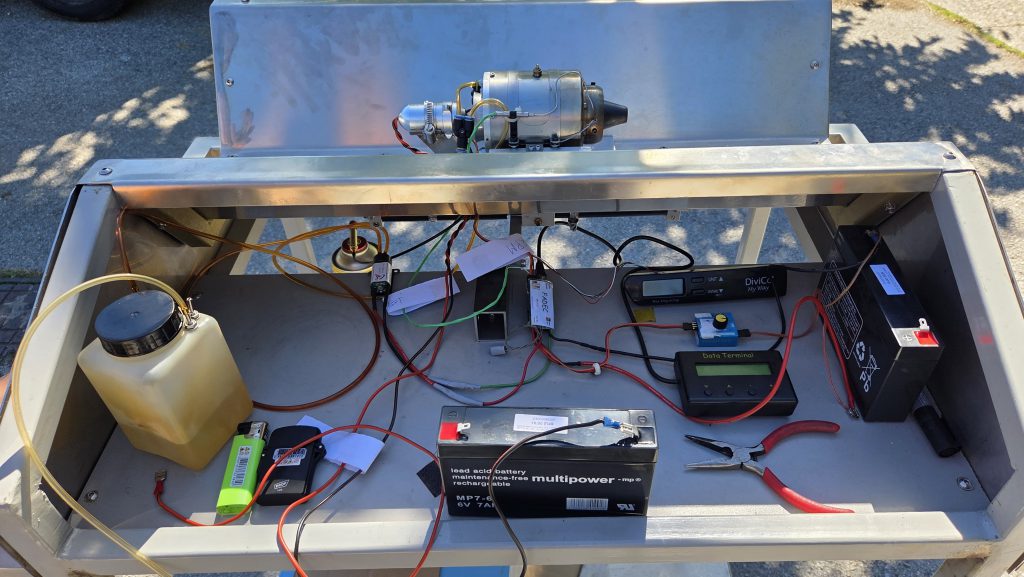
The results provided valuable insights into the potential benefits and limitations of alternative fuels in aviation. By analyzing performance variations, researchers could assess how biofuels and SAF mixtures might contribute to reducing emissions and supporting sustainable aviation goals.
This master’s thesis highlights the Department of Aeronautics’ dedication to advancing research in aviation decarbonization. It also emphasizes the department’s commitment to providing students with practical research opportunities aligned with global trends in green aviation. Such projects open doors to future innovations in aircraft propulsion and environmental performance, contributing to the overall sustainability of the aviation industry.